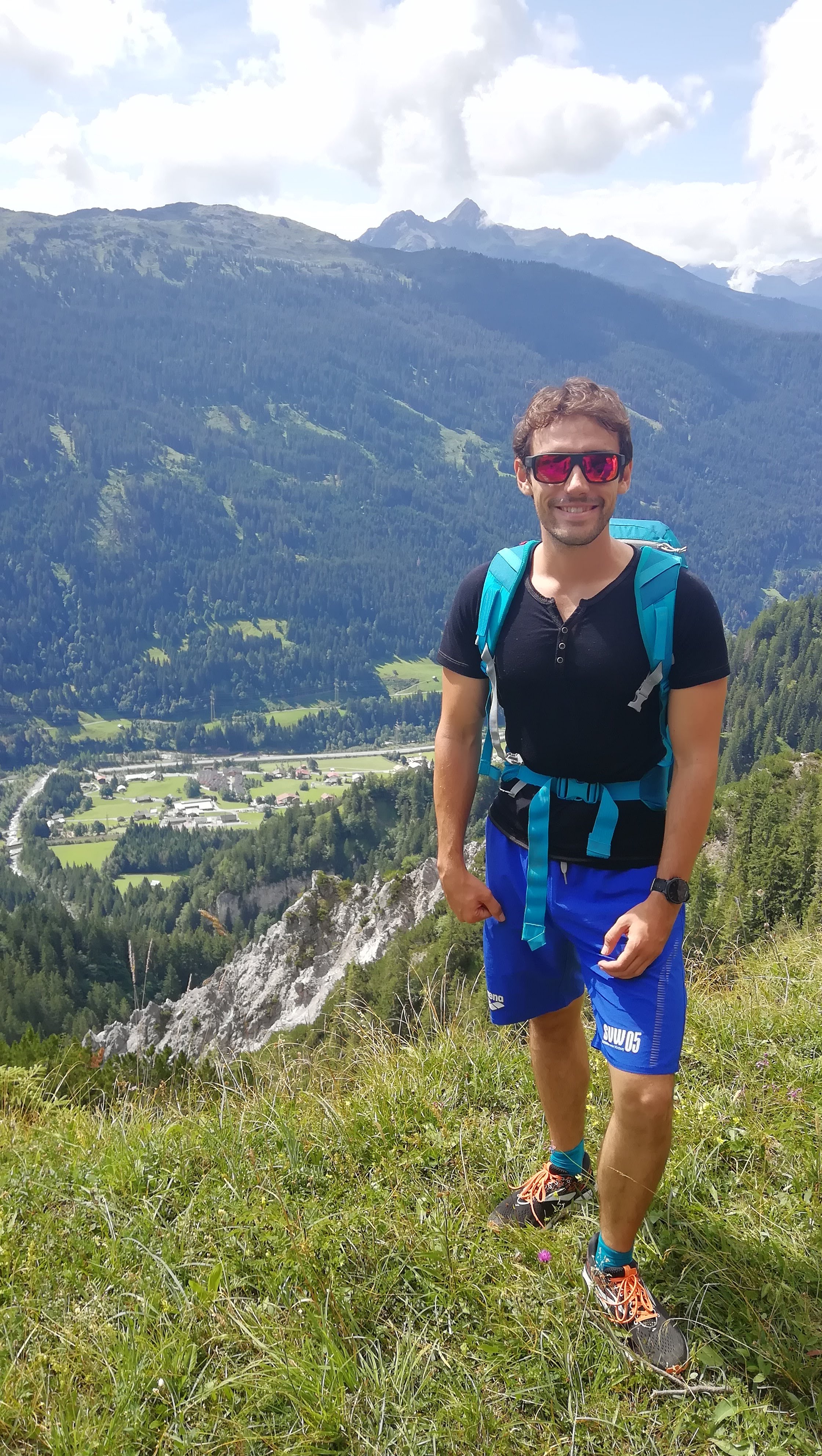
The Athlete’s Calendar
Around mid-November, many endurance athletes lose direction. The clocks have fallen back, mornings are dark, and the last race of the season is a fading memory. The structured plan that carried you through summer no longer applies, and unstructured weeks start to pile up.
The athletes who improve year after year treat the off-season as a training phase with its own objectives. A well-designed annual plan assigns a purpose to every season, with each phase building on the one before it. The compounding effect of this approach over multiple years produces results that no single training block can match. This principle, known as periodization, has been a cornerstone of exercise science since Matveyev formalized it in the 1960s. Meta-analytic evidence consistently supports periodized programming over non-periodized approaches for both strength and endurance outcomes (Rhea & Alderman, 2004).
Winter: Building the Engine
With the racing calendar empty and no pressure to perform, winter provides a window to invest in the aerobic foundation that supports every other training intensity.
The primary objectives for winter training are:
- Aerobic base building. Long, steady efforts in Zone 2 develop mitochondrial density, capillary networks, and fat oxidation capacity (Holloszy & Coyle, 1984). This work improves efficiency at every intensity above it.
- Strength training. With reduced endurance volume, winter is the time to prioritize the gym. Two to three sessions per week focusing on compound lifts, single-leg stability, and core strength improve running economy and cycling power output (Beattie et al., 2014). These gains carry forward when intensity ramps up in spring.
- Technical skills. For cyclists, this might mean structured indoor sessions focused on cadence drills and pedaling efficiency. For runners, it is a good time to work on form, incorporate strides, and address mechanical inefficiencies.
Shorter days and cold temperatures push many athletes indoors, and indoor training works well for this phase. Trainers, treadmills, and rowing machines provide controlled environments where you can execute precise workouts without worrying about ice or poor visibility. Varying the session format, such as cadence intervals, progressive tempo builds, or muscular endurance sets, helps prevent the mental staleness that makes indoor training feel monotonous.
The goal during winter is to build consistency, address weaknesses, and arrive at spring with a solid aerobic platform and a body that is structurally ready for harder work. Avoid chasing large training stress numbers; a winter Chronic Load (CL) of roughly 50 to 70 percent of your peak season value is a reasonable target based on general periodization guidelines (Issurin, 2010). In EndurexAI, the Performance Management Chart can confirm that those steady Zone 2 sessions are producing genuine aerobic adaptations over time.
Spring: From Base to Race Fitness
As days lengthen and temperatures climb, spring is the period to convert your aerobic base into race-ready fitness. The racing calendar becomes concrete, and training should reflect that shift.
The transition from base to intensity should be gradual. Jumping straight from Zone 2 to high-intensity intervals is a common error that often leads to injury or burnout. A progressive model works better, and polarized training distribution research supports a staged approach to intensity introduction (Esteve-Lanao et al., 2007; Stöggl & Sperlich, 2014):
- Weeks 1-3: Add tempo work (Zone 3) to your long sessions. Sustained 20- to 40-minute efforts at a comfortably hard pace.
- Weeks 4-6: Introduce threshold intervals. Classic 2x20 or 3x15 minute efforts at your functional threshold pace or power.
- Weeks 7-9: Add VO2max work. Shorter, more intense intervals of 3 to 5 minutes at high effort (Billat, 2001).
- Weeks 10 onward: Race-specific sessions that mimic the demands of your target events.
Warmer temperatures improve muscle function, and more daylight opens up outdoor training after work. Take advantage of these conditions to shift from indoor to outdoor sessions, rediscovering the terrain and routes you will race on.
Strength training should continue through spring, but the structure changes. Reduce to one or two maintenance sessions per week, shift toward power-oriented movements such as box jumps, kettlebell swings, and explosive step-ups, and ensure that gym work does not compromise your key endurance sessions (Rønnestad & Mujika, 2014).
During this phase your CL should be climbing steadily. Research on training load management suggests that week-to-week increases in training load beyond about 10 percent raise injury risk substantially (Gabbett, 2016). In EndurexAI, you can set a CL target for your first key race and work backward to ensure your ramp rate stays within a sustainable range. The AI coach can flag if your planned schedule is too aggressive or too conservative for your timeline.
Summer: Competition Phase
Summer is competition season. Whether you race every weekend or target two or three key events, the central challenge is expressing the fitness you have already built while staying healthy and sharp. Piling heavy training weeks around frequent races often leads to accumulated fatigue and flat performances (Mujika & Padilla, 2003). A measured approach produces better results.
A practical summer structure includes:
- Race weeks: Reduce volume by 30 to 40 percent. Keep one key intensity session early in the week, then taper into the event.
- Recovery weeks: After a hard race or race block, drop volume and intensity for 5 to 7 days. Adaptation occurs during recovery, not during the effort itself (Bishop et al., 2008).
- Maintenance blocks: Between race clusters, two to three weeks of structured training that maintains your CL without pushing it higher.
Heat is the dominant environmental factor in summer and demands respect. Training in high temperatures increases cardiovascular strain, accelerates dehydration, and impairs performance (Périard et al., 2015). Shift workouts to early morning or late evening, increase fluid and electrolyte intake, and accept that power and pace numbers in the heat will be lower than in cooler conditions. Training by perceived effort or heart rate is more reliable when temperatures climb above 30 degrees Celsius.
Your Form (training stress balance) becomes the critical metric in summer. Tapering research indicates that arriving at race day with a positive training stress balance, achieved through a moderate reduction in volume while preserving some intensity, optimizes performance (Mujika & Padilla, 2003; Bosquet et al., 2007). In EndurexAI, the Performance Management Chart shows this trajectory at a glance, and the AI coach can help you fine-tune the balance between freshness and sharpness.
Mental freshness matters as much as physical freshness. If you find yourself dreading workouts or feeling emotionally flat about racing, that is a signal to back off. A spontaneous easy week in July can save your entire August campaign.
Autumn: Transition and Reflection
Autumn is the most undervalued phase of the training year. The athletes who handle it well start each new season from a stronger position than those who either collapse into inactivity or keep pushing out of fear of losing fitness.
After a long season, your body and mind need a structured transition:
- Weeks 1-2: Active recovery. Very easy movement such as walks, light spins, swimming, or yoga. No structured intervals, no data analysis, no thinking about training zones. The purpose is physical and psychological restoration.
- Weeks 3-4: Unstructured activity. Do whatever sounds enjoyable. Mountain biking, hiking, a pickup basketball game, a dance class. The goal is to rediscover movement for its own sake, divorced from metrics and performance.
- Weeks 5-8: Gradual return to structure. Reintroduce regular training sessions, starting with easy aerobic work. This is where autumn transitions into your early winter base phase.
Autumn is also the right time for reflection and planning. Pull up your year-over-year data in EndurexAI and examine the trajectory. How did your peak CL compare to last year? Where were the periods of unplanned fatigue? Did your taper timing work for your key races? Did you get injured, and if so, can you identify a training load pattern that preceded it?
This analysis is far more valuable in October, when the season is fresh in your memory, than in January, when the details have faded. Use the insights to inform your winter plan and set targets for the year ahead.
The environmental shift of autumn, with cooling temperatures and changing light, can be deeply enjoyable if you train without pressure. Some of the best rides and runs of the year happen on crisp October mornings when the trails are quiet and there is nothing at stake except the experience of moving through the landscape.
Environmental Awareness Across the Year
Every season brings its own environmental challenges, and adapting to them leads to more effective training than fighting against conditions.
- Cold reduces muscle elasticity and increases injury risk (Racinais & Oksa, 2010). Extend your warm-up by 10 to 15 minutes and dress in layers you can shed as body temperature rises.
- Heat impairs thermoregulation and increases cardiac drift. Reduce intensity targets by 3 to 5 percent above 30 degrees Celsius and prioritize hydration (Périard et al., 2015).
- Darkness limits outdoor training windows. Invest in quality lighting and reflective gear, and consider vitamin D supplementation during winter months (Owens et al., 2018).
- Daylight shifts affect mood, motivation, and sleep. Morning light exposure supports circadian rhythm stability and can help offset seasonal mood changes (Wirz-Justice et al., 1996).
These factors influence recovery, adaptation, and injury risk across the entire year and deserve the same attention as interval structure and volume planning.
Tracking Year-Over-Year Progress
One of the most useful aspects of training with a platform like EndurexAI is the ability to see your long-term trajectory. A single season of data shows how a few months went. Multiple years of data reveal whether you are genuinely improving.
Key year-over-year comparisons to examine:
- Peak CL: Is your highest fitness level increasing each year? Even modest year-on-year improvement in peak CL reflects meaningful aerobic development, as fitness gains in trained athletes tend to be small and incremental (Haugen et al., 2018).
- CL floor: What is your lowest CL during the off-season? If your winter base is higher than the previous year, you are starting each season from a stronger foundation.
- Ramp rate tolerance: Can you handle a faster CL build without breaking down? This indicates improved robustness and training maturity.
- Injury frequency: Are you getting injured less often? Consistent, well-periodized training should reduce the boom-and-bust loading pattern that leads to breakdowns (Gabbett, 2016).
EndurexAI stores this data automatically as you train, and the Performance Management Chart lets you overlay multiple years to see patterns.
The Case Against Year-Round Intensity
A persistent belief in endurance sport holds that more intensity always equals more improvement. The evidence points in the opposite direction.
Athletes who maintain high intensity year-round experience:
- Chronic sympathetic nervous system activation, including elevated resting heart rate, poor sleep quality, and impaired recovery (Meeusen et al., 2013).
- Psychological burnout, with declining motivation, loss of enjoyment, and eventual dropout from the sport (Gustafsson et al., 2011).
- Plateaued performance, because without periodized recovery the body loses its capacity to supercompensate from training stress (Issurin, 2010).
- Increased injury risk, as connective tissues and bones need lower-intensity periods to repair and strengthen (Gabbett, 2016).
The annual periodization model works because hard phases produce adaptation while easy phases consolidate those adaptations and prepare the body for the next round of stress. Skipping the easy phases produces slower, more fragile athletes who are less likely to still be training in five years.
Putting Your Year Together
A simple framework for structuring twelve months of training, adapted from block periodization principles described by Issurin (2010) and practical guidance from Bompa and Buzzichelli (2019):
- November to January (approximately 12 weeks): Base building. Low intensity, high consistency, strength emphasis.
- February to April (approximately 12 weeks): Build phase. Progressive intensity introduction, CL climbing toward season targets, race-specific work in the final weeks.
- May to August (approximately 16 weeks): Competition phase. Racing, maintaining fitness, managing fatigue. Form management around key events.
- September to October (approximately 8 weeks): Transition and recovery. Unstructured activity, reflection, planning for the next year.
The exact timing shifts based on your racing calendar, climate, and personal circumstances. An athlete targeting a March race will run this calendar differently from one peaking for an October marathon. The principle remains the same: build, sharpen, compete, recover. Repeat yearly, and the compounding effect of consistent, well-periodized training will take you further than any single heroic training block.
In EndurexAI, zooming out on the Performance Management Chart shows the full arc of your year. The patient winter climb, the spring acceleration, the summer peaks, and the autumn valleys together form the signature of training designed for long-term improvement.
References
Beattie, K., Kenny, I. C., Lyons, M., & Carson, B. P. (2014). The effect of strength training on performance in endurance athletes. Sports Medicine, 44(6), 845-865.
Billat, L. V. (2001). Interval training for performance: A scientific and empirical practice. Sports Medicine, 31(1), 13-31.
Bishop, P. A., Jones, E., & Woods, A. K. (2008). Recovery from training: A brief review. Journal of Strength and Conditioning Research, 22(3), 1015-1024.
Bompa, T. O., & Buzzichelli, C. A. (2019). Periodization: Theory and methodology of training (6th ed.). Human Kinetics.
Bosquet, L., Montpetit, J., Arvisais, D., & Mujika, I. (2007). Effects of tapering on performance: A meta-analysis. Medicine and Science in Sports and Exercise, 39(8), 1358-1365.
Esteve-Lanao, J., San Juan, A. F., Earnest, C. P., Foster, C., & Lucia, A. (2007). How do endurance runners actually train? Relationship with competition performance. Medicine and Science in Sports and Exercise, 39(10), 1789-1795.
Gabbett, T. J. (2016). The training-injury prevention paradox: Should athletes be training smarter and harder? British Journal of Sports Medicine, 50(5), 273-280.
Gustafsson, H., Kentta, G., & Hassmen, P. (2011). Athlete burnout: An integrated model and future research directions. International Review of Sport and Exercise Psychology, 4(1), 3-24.
Haugen, T., Sandbakk, O., Enoksen, E., Seiler, S., & Tonnessen, E. (2018). Crossing the golden training divide: The science and practice of training world-class 800- and 1500-m runners. Sports Medicine, 48(8), 1875-1891.
Holloszy, J. O., & Coyle, E. F. (1984). Adaptations of skeletal muscle to endurance exercise and their metabolic consequences. Journal of Applied Physiology, 56(4), 831-838.
Issurin, V. B. (2010). New horizons for the methodology and physiology of training periodization. Sports Medicine, 40(3), 189-206.
Meeusen, R., Duclos, M., Foster, C., Fry, A., Gleeson, M., Nieman, D., … & Urhausen, A. (2013). Prevention, diagnosis, and treatment of the overtraining syndrome: Joint consensus statement of the European College of Sport Science and the American College of Sports Medicine. Medicine and Science in Sports and Exercise, 45(1), 186-205.
Mujika, I., & Padilla, S. (2003). Scientific bases for precompetition tapering strategies. Medicine and Science in Sports and Exercise, 35(7), 1182-1187.
Owens, D. J., Allison, R., & Close, G. L. (2018). Vitamin D and the athlete: Current perspectives and new challenges. Sports Medicine, 48(Suppl 1), 3-16.
Periard, J. D., Racinais, S., & Sawka, M. N. (2015). Adaptations and mechanisms of human heat acclimation: Applications for competitive athletes and sports. Scandinavian Journal of Medicine and Science in Sports, 25(Suppl 1), 20-38.
Racinais, S., & Oksa, J. (2010). Temperature and neuromuscular function. Scandinavian Journal of Medicine and Science in Sports, 20(Suppl 3), 1-18.
Rhea, M. R., & Alderman, B. L. (2004). A meta-analysis of periodized versus nonperiodized strength and power training programs. Research Quarterly for Exercise and Sport, 75(4), 413-422.
Ronnestad, B. R., & Mujika, I. (2014). Optimizing strength training for running and cycling endurance performance: A review. Scandinavian Journal of Medicine and Science in Sports, 24(4), 603-612.
Stoggl, T. L., & Sperlich, B. (2014). Polarized training has greater impact on key endurance variables than threshold, high intensity, or high volume training. Frontiers in Physiology, 5, 33.
Wirz-Justice, A., Graw, P., Krauchi, K., Sarrafzadeh, A., English, J., Arendt, J., & Sand, L. (1996). ‘Natural’ light treatment of seasonal affective disorder. Journal of Affective Disorders, 37(2-3), 109-120.

Comments(0)
Sign in to join the conversation.